
Other names for Pestivirus Infections: Bovine Viral Diarrhoea Virus (BVDV), Border Disease (sheep, rare), Classical Swine Fever (pigs, rare).
Pestivirus is a viral disease, most commonly affecting Australian cattle (Bovine pestivirus). While extremely uncommon, strains of the pestivirus can affect sheep (causing Border Disease) and pigs (causing Classical Swine Fever). As disease manifestation is most commonly observed in cattle, this article will focus on Bovine pestivirus (pestivirus) and its management.
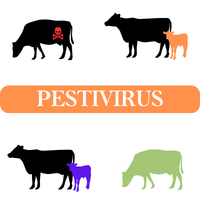
Pestivirus is spread by the exchange of bodily fluids with an infected animal, for example, via nose-to-nose contact (exchange of mucous) or mating (exchange of semen). If a healthy animal becomes infected, it is referred to as a transient infection. Transient infections shed viral load for approximately 10 days before being cleared up by a healthy immune system.
Calves can become permanently infected in utero if a naïve dam contracts the disease during the early stages of pregnancy (as the foetus has not developed its own immune system to recognise foreign bodies). If the calf survives, it is referred to as a ‘persistently infected’ (PI) animal. PI animals are carriers and spreaders for the rest of their lives. PI animals are the main cause of further significant pestivirus infections in your herd, which can be extremely detrimental to animal welfare and production.
Signs of Pestivirus
It shows minimal signs of infection and the disease can go unnoticed in some herds. A definitive diagnosis can only be achieved by working with a vet.
Transient Infections
- Temporary reproductive failure (abortions, deformed calves, poor conception rates)
- Weakened immune system/Increased susceptibility to other diseases and worms
- Diarrhoea
- Excessive drooling
- Breathing difficulties/cough
- Ulcers around muzzle and feet (very rare)
Persistent Infections
- Ill thrift
- Some PI calves show no signs at all
Preventing Production Loss
Given that pestivirus is a very common disease, and cattle can develop their own immune response, managing pestivirus occurrences is relatively nuanced and depends on the severity of the occurrence and the risk appetite of the stock manager.
If infection is suspected, the first step is to determine your risk appetite, and manage any persistently infected calves accordingly. Low risk methods include separating and testing any potential PI calves, and proceed with culling. While higher risk methods may keep PI calves in a way that develops the whole herd’s immunity (also known as autovaccination).
Work with your local vet to conduct testing on suspect animals or throughout the herd. Antibody testing can tell if (and when) otherwise healthy animals have incurred the disease and developed an immune response. Antigen tests are used to confirm pestivirus in sick animals and can also identify PI animals for culling.
Other ways to minimise the risk of pestivirus include:
- Being careful not to bring infected animals into a closed herd, e.g., bulls.
- Ensuring replacement heifers have developed a strong immunity before joining (either with exposure or vaccination)
- Ensure any semen or embryos used for AI or ET are free from any strains of the virus
- Vaccination
Pestivirus Vaccination
Pestigard® is a vaccine that reduces reproduction losses associated with pestivirus. It requires two initial doses and an annual booster.
For heifers or previously unvaccinated cows or bulls, initial doses would occur at 6-8 weeks before joining and at 2-4 weeks before joining.
Annual boosters of Pestigard® are then recommended 2-4 weeks pre-joining in subsequent years.
Vaccinating for pestivirus can be an expensive exercise, so reliance on it as a management tool depends on infection status and the risk of significant reproductive losses. A $15-20/head vaccination program may be cheap compared to losing calves. However, may be a very expensive precautionary practice.
References
Pesti-virus | Victorian Farmers Federation
Bovine pesti-virus infection | NSW DPI Prime Facts
Pesti-virus | Meat & Livestock Australia
Bovine Pesti-virus | Biosecurity Tasmania, NRE
Ruminant Pesti-virus Infections | PD Kirkland and SG MacKintosh